Machine Gun Accessory Collecting
Machine guns from the early to mid last century were usually accompanied a large number of accessories to keep the guns running through combat. This is especially true for machine guns from European nations which seemed to revel in the number they could come up with to load down their soldiers. Hunting for these accessories can be as entertaining as the guns themselves. The Swedish BARs are no different and at least for me quite addicting.
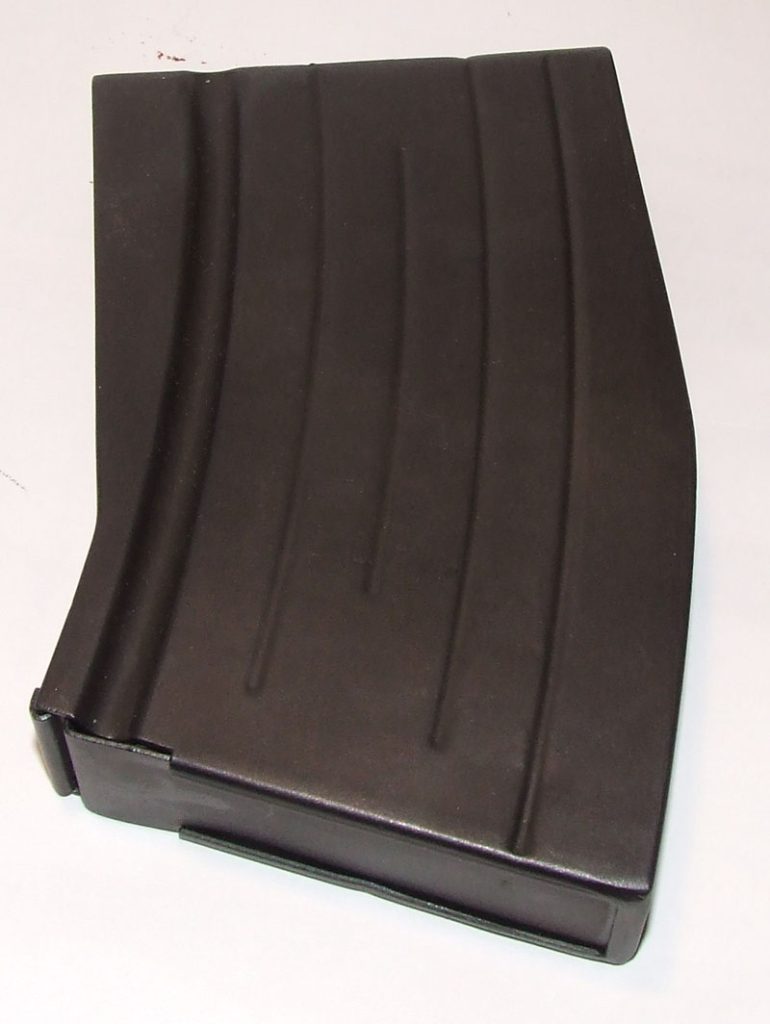
Magazine
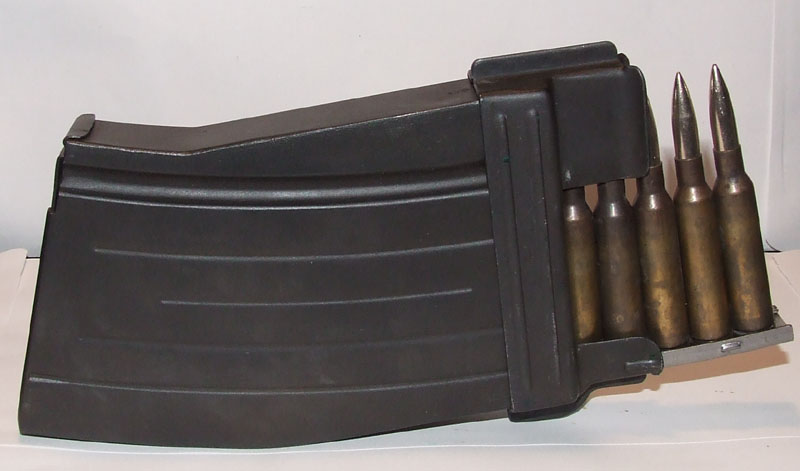
The Swedish BAR uses a 20 round magazine. The magazine differs from the US 1918 BAR due to the needs for the 6.5X55mm Swedish round. The magazine will fit in the US 1918 BAR but it will not reliably feed 30-06 ammo. The Swedish magazine has a “bend” in the middle of the body to accommodate the shorter lightly tapered 6.5 round.
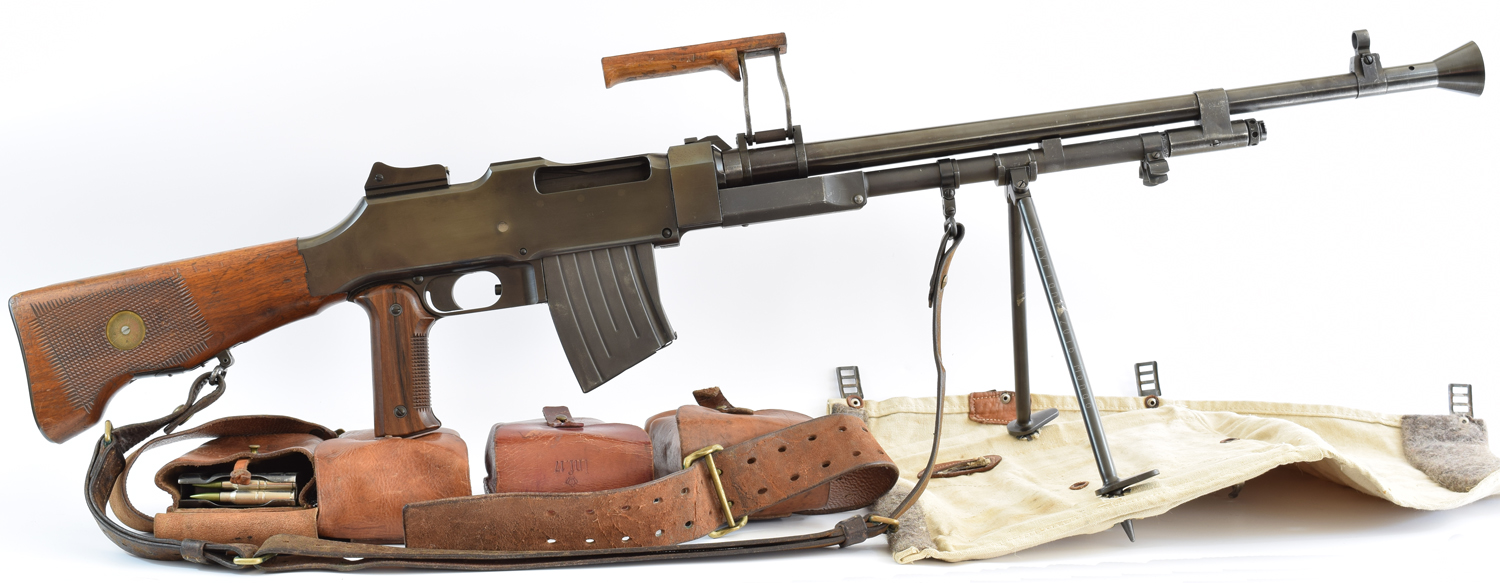
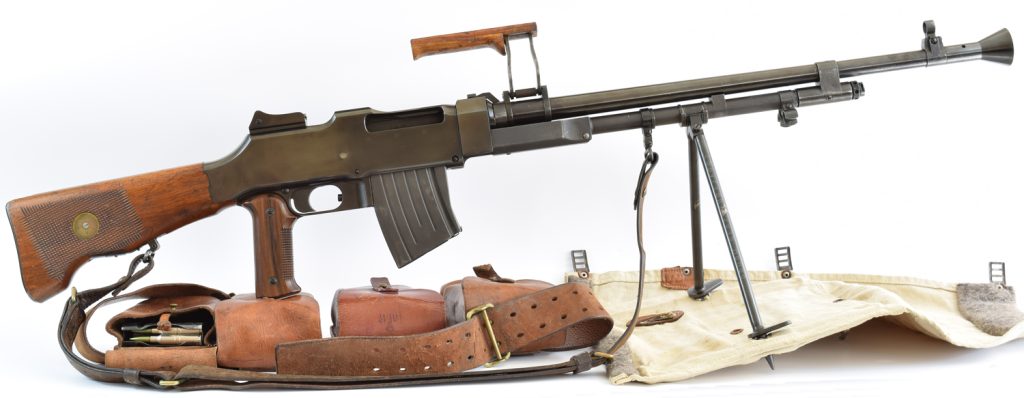
Magazines were stored in leather pouches that held two magazines in each pouch. The pouches were mounted on a wide leather belt. The gunner carried 2 pouches and the assistant gunner would have 4 pouches on a similar belt. (Belt and pouches can be seen in first photo)
Gunner’s Kit
Typical of BARs used by many nations, gunner kits were issued for maintenance of the gun. The number of gunner kits varied by nation as well as the contents. The Swedes issued two leather pouches for the gunner’s kit. They were labeled with an “I” and “II” and stamped with the model number of the gun they were meant for “37” in the case of the Kg m/37.
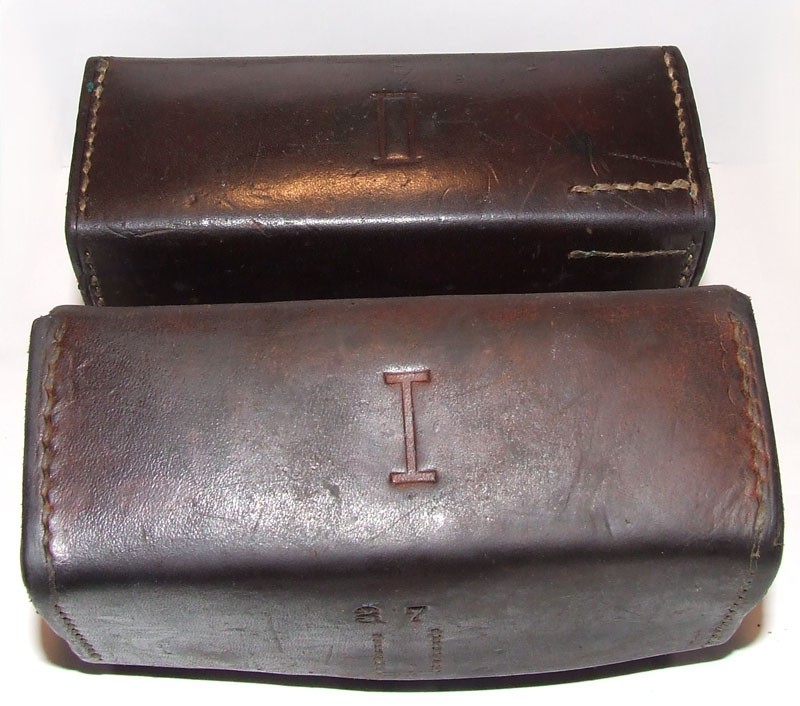
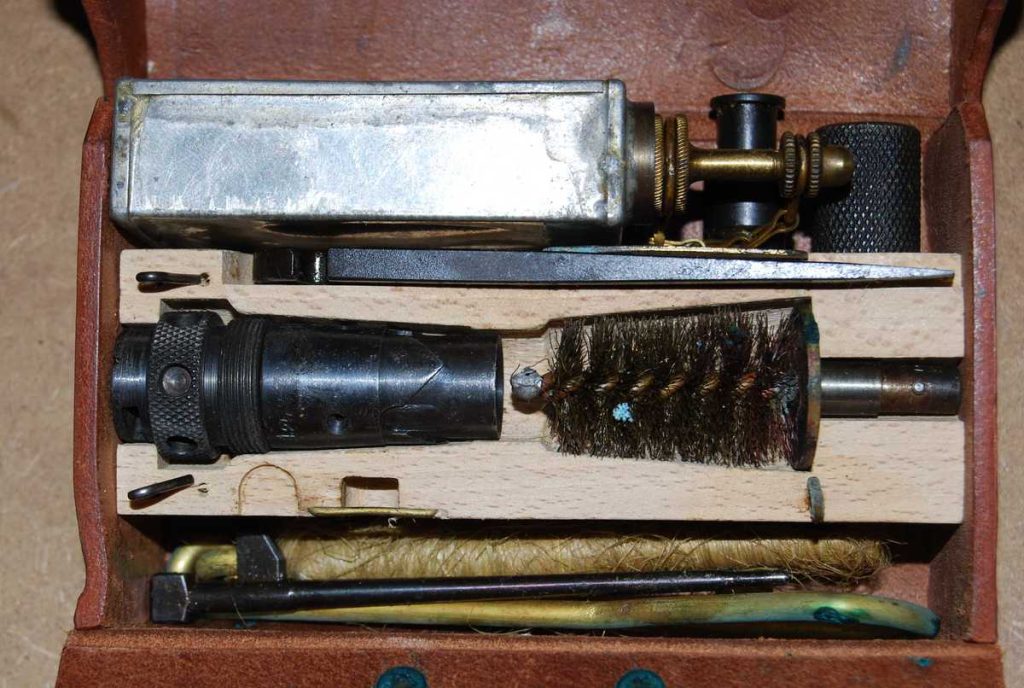
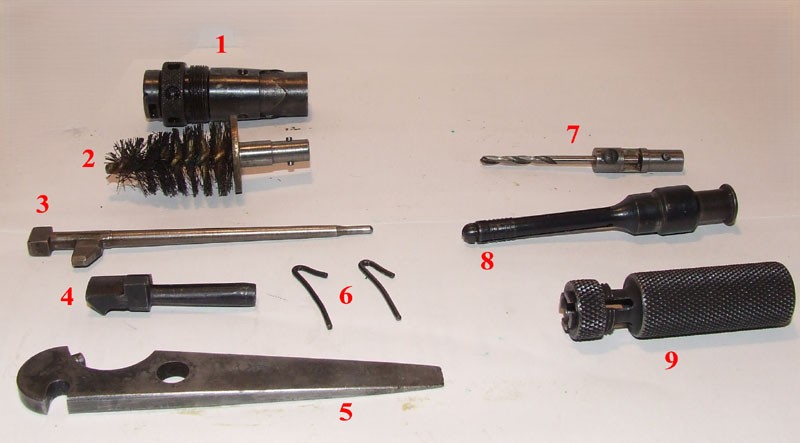
Kit “I” Contents:
1. Spare gas plug
2. Gas tube cleaning brush (Used with universal tool handle)
3. Spare firing pin
4. Spare extractor
5. Combination tool
6. Two spare extractor springs
7. 2.87mm drill bit for cleaning barrel gas port (Used with universal tool handle)
8. Broken shell extractor
9. Universal tool handle
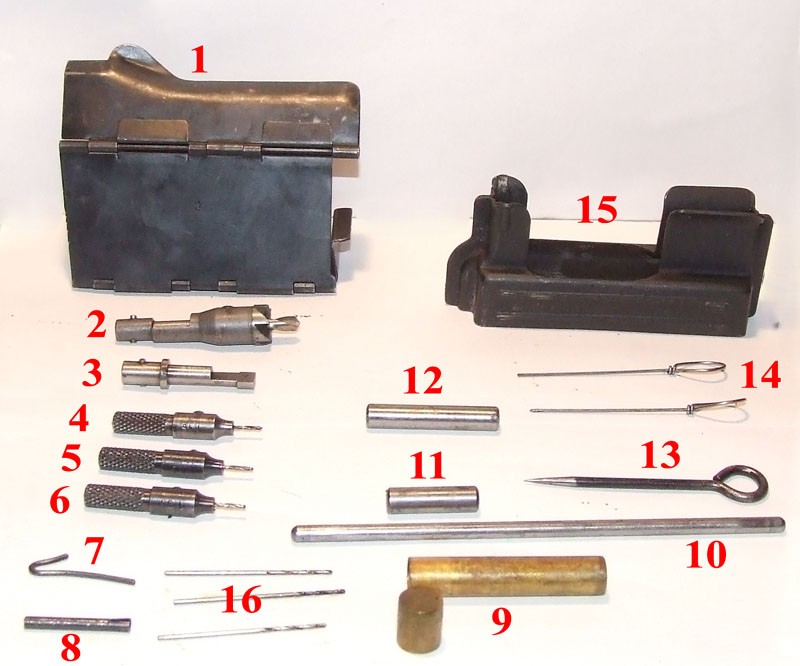
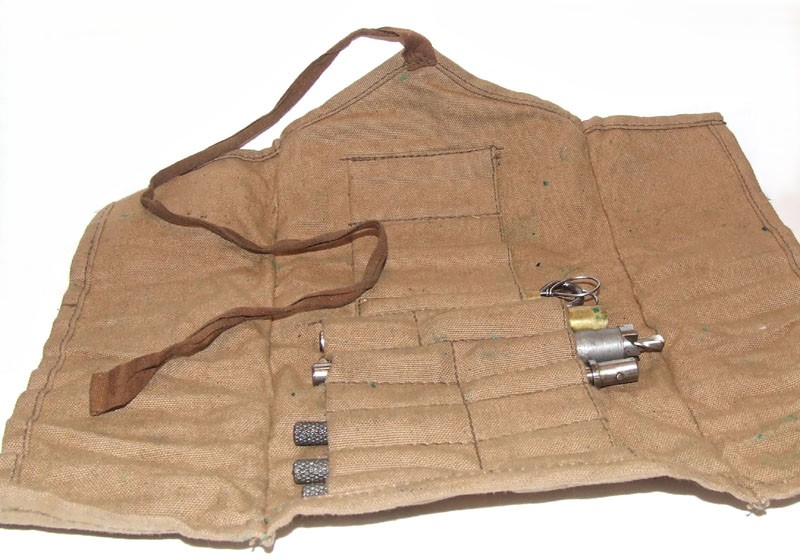
Kit “II” Contents:
1. Dust Cover (Covers ejection port and magazine well when installed)
2. Gas plug scrapper (Used with universal tool handle)
3. Gas Plug scrapper (Used with universal tool handle)
4. 1.15mm drill bit (used to clean gas plug smallest gas port)
5. 1.25mm drill bit (used to clean gas plug medium gas port)
6. 1.35mm drill bit (used to clean gas plug largest gas port)
7. Spare extractor spring
8. Spare magazine catch pin
9. Brass tube with cap to hold spare drill bits
10. Spare recoil rod
11. Spare link pin
12. Spare hammer pin
13. Sharp pick
14. Blunt picks
15. Magazine charger
16. Spare 1.15mm, 1.25mm, and 1.35mm drill bits for replacements on items 4,5, and 6
Brass Catcher
The Swedish military is frugal when it comes to training. They designed brass catchers for all their weapons so the brass can be easily collected for reloading for training ammunition.
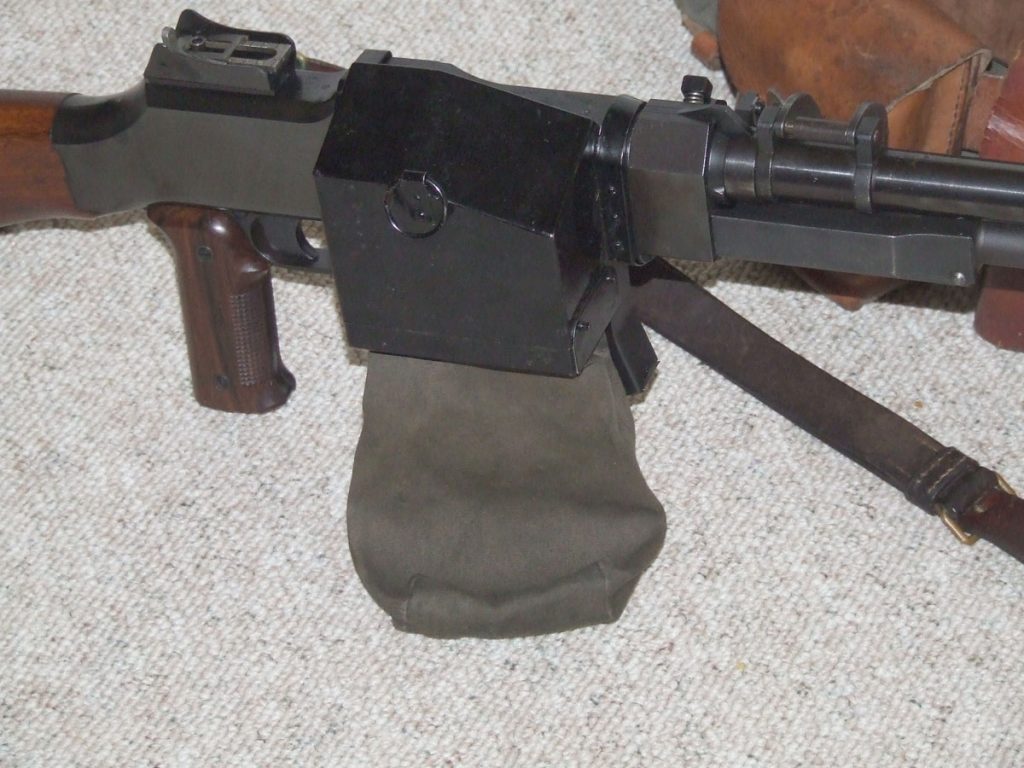
Action Snow Cover/Bipod Snow Shoe
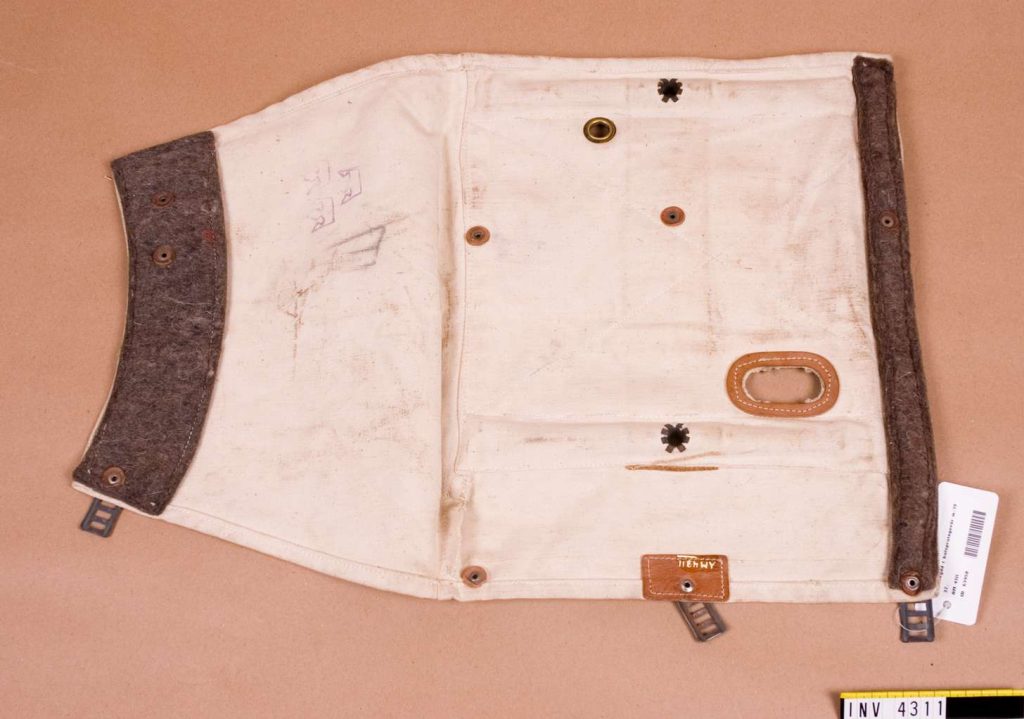
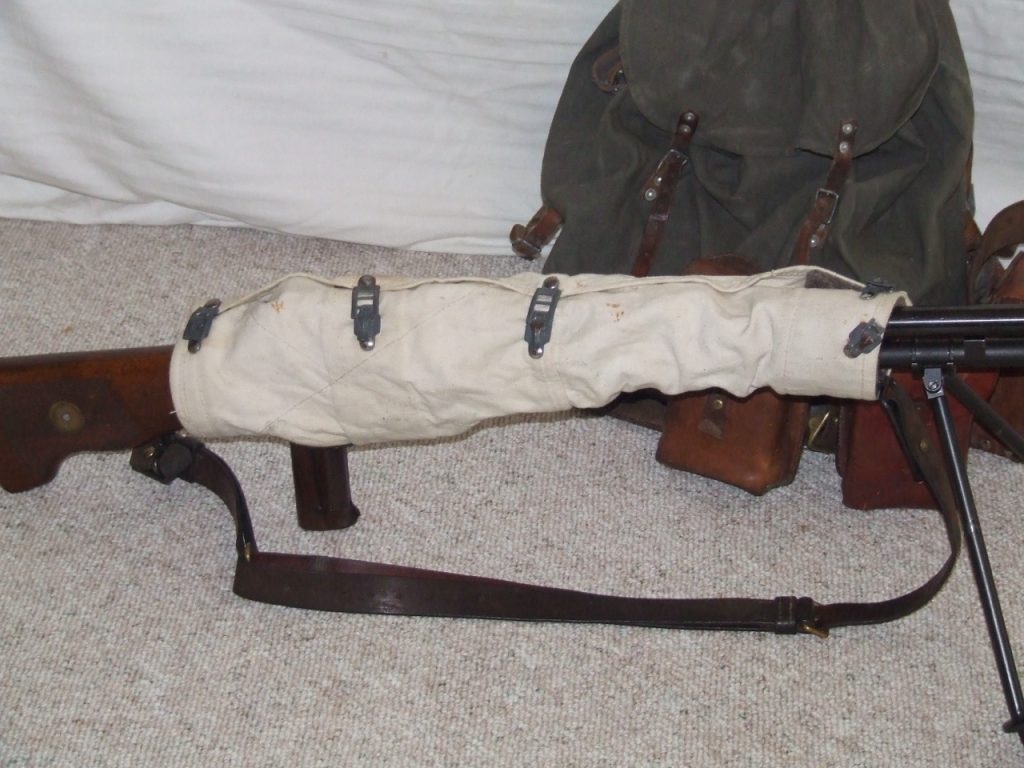
Sweden being far north has to deal with a lot of snow. They designed a dual use action cover for the Kg m/21 & m/37 that also is used to keep the bipod from sinking into the snow when deployed for shooting.
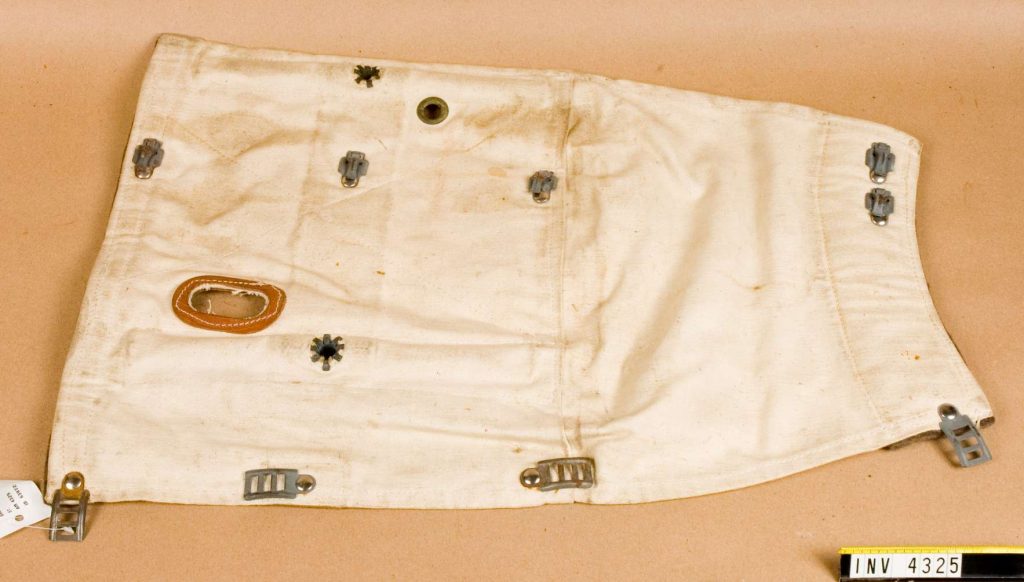
Night Sights
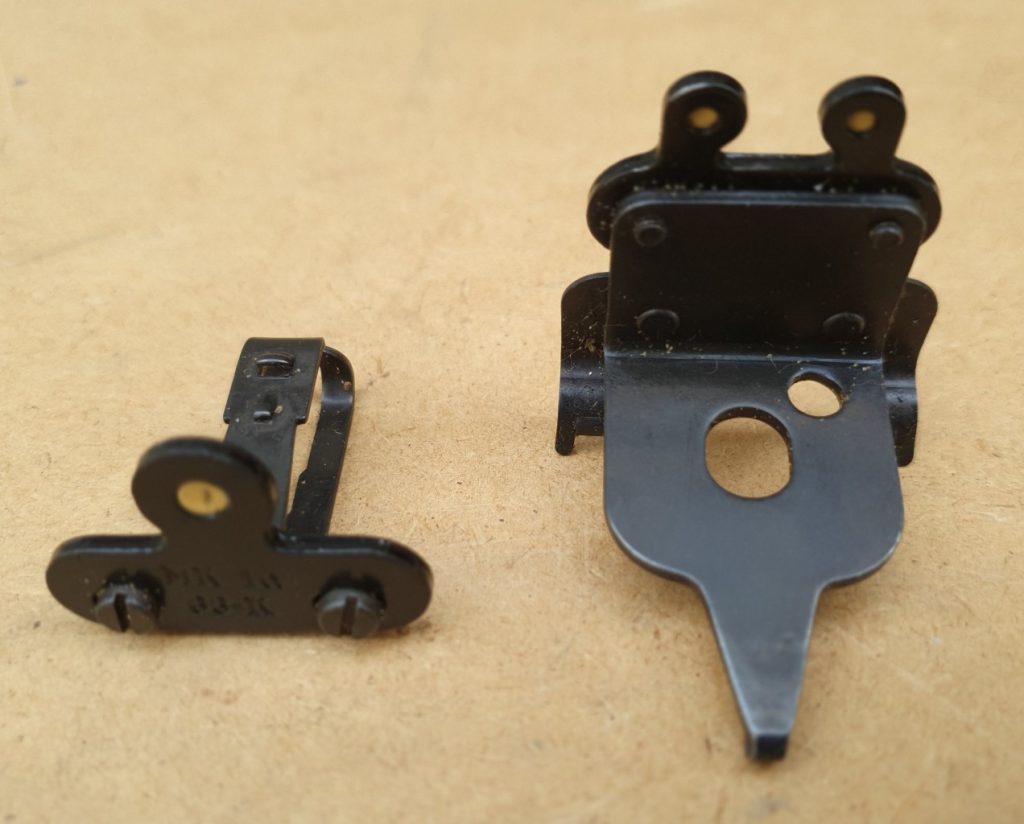
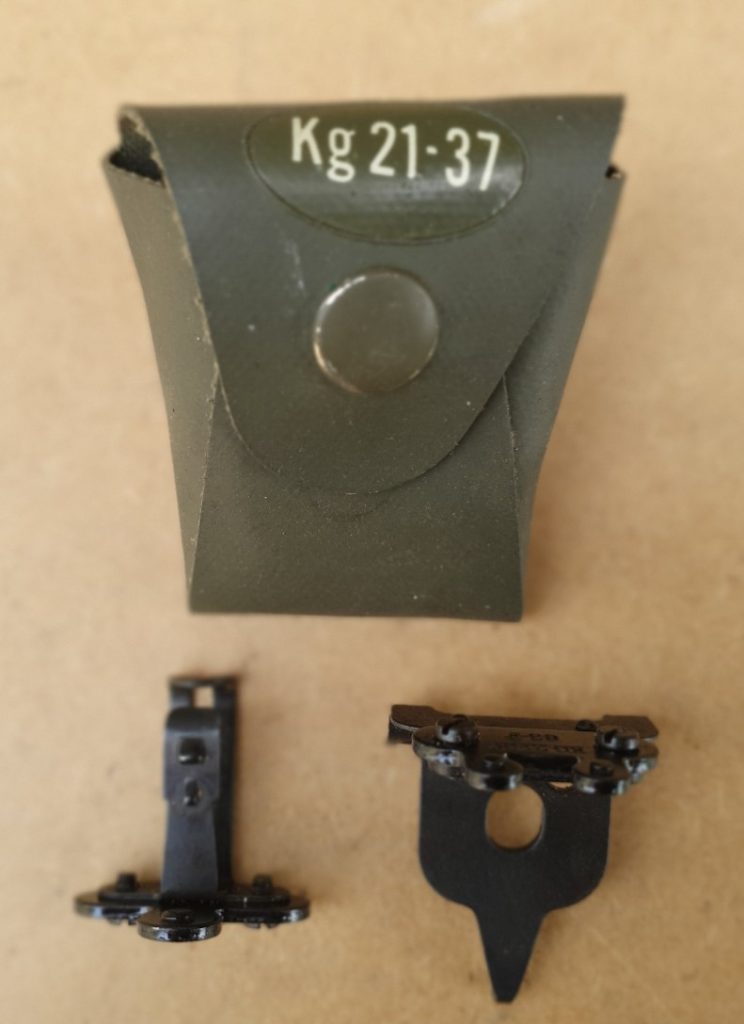
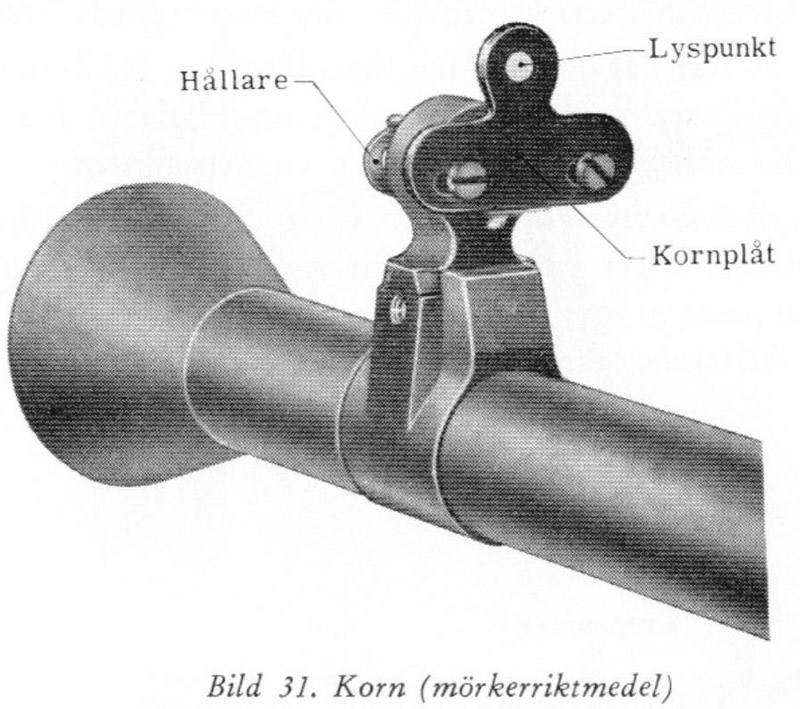
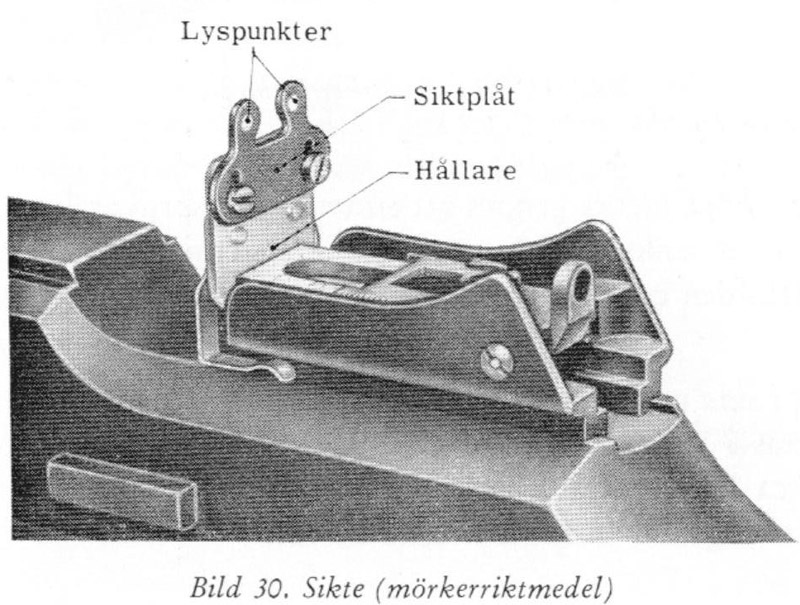
Clip on night sights were made for the Swedish BARs. The front sight clips into the front sight hood and the rear sight clips onto the base of the rear sight. The sights have luminous painted dots to aid in aiming in low light conditions. The sight being over 60 years old no longer illuminate.
Muzzle Devices
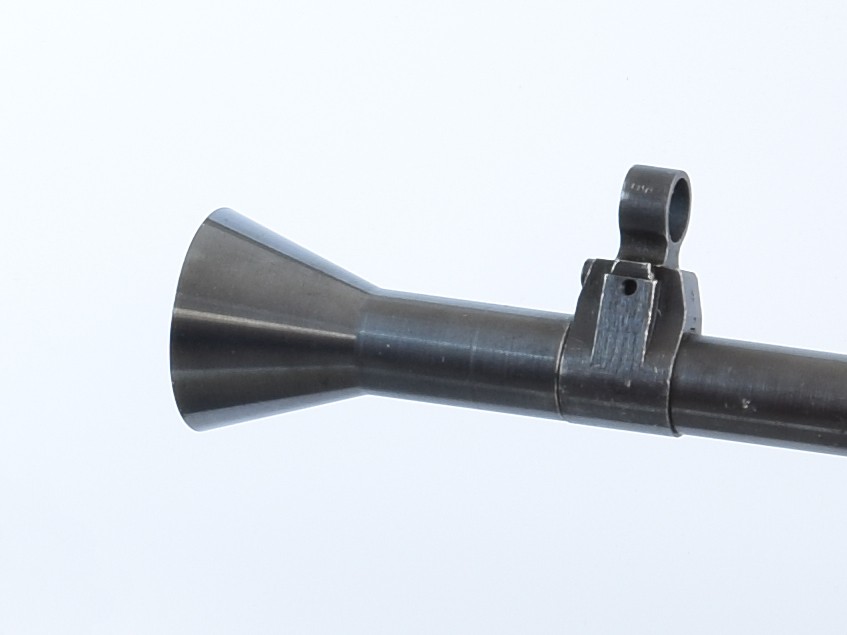
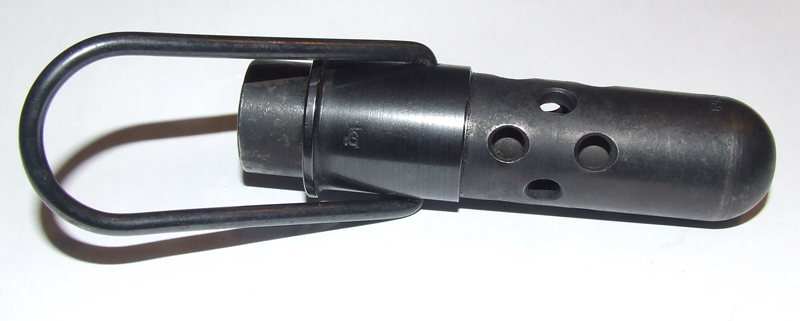
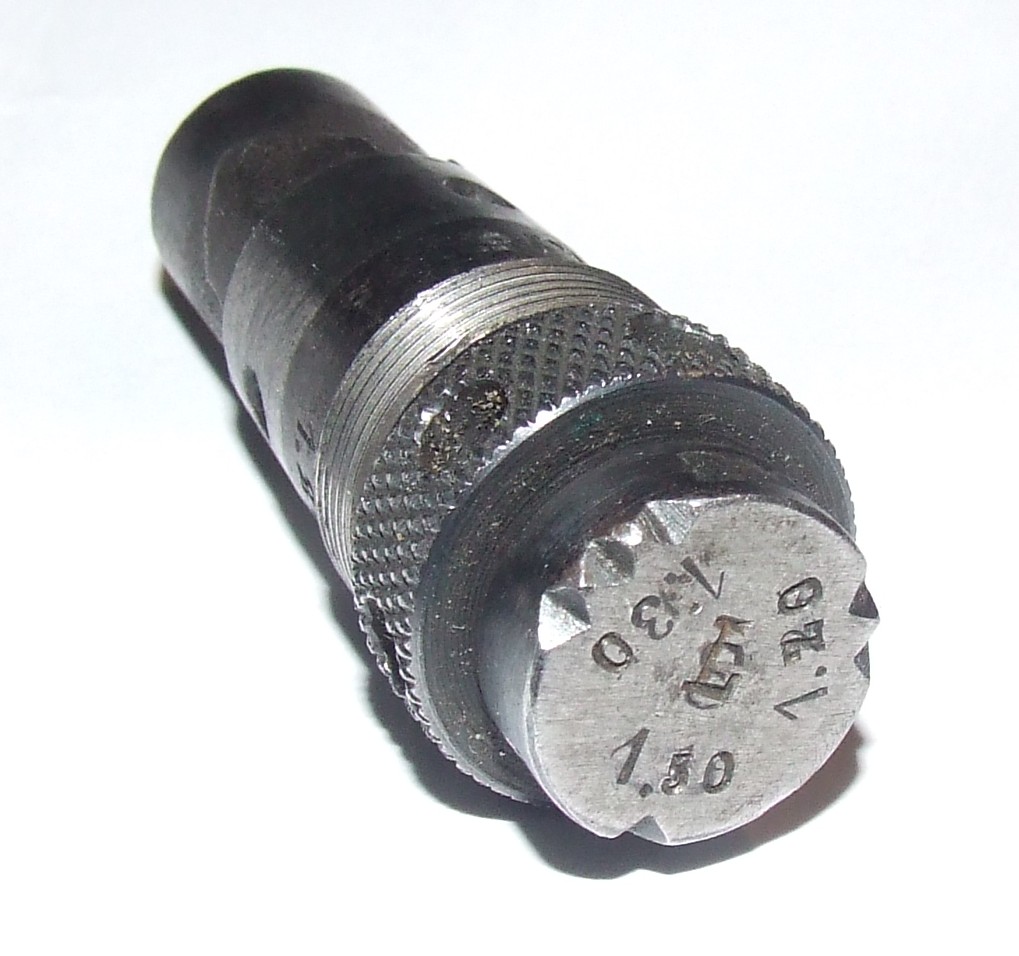
There are two muzzle devices for the Swedish BAR family. The barrels on the BARs are threaded and normally have a thread protector. The thread protector is removed using the combination tool and either a conical flash hider is mounted or a blank firing adapter (BFA). The Swedes used a wooden bullet in their blanks and the BFA ensures that none of the wooden bullet makes it down range, as well as a bullet from a live round. The gas plug is also switched out for one with larger gas ports to use with blanks. The gas plug with larger gas ports is stamped with “L” on the front where as the normal gas plug is stamped with “S”. The “L” adapters are sometimes made from “S” one by drilling out the ports and restamping the gas plug information.
Anti-Aircraft Sights and Training Sights
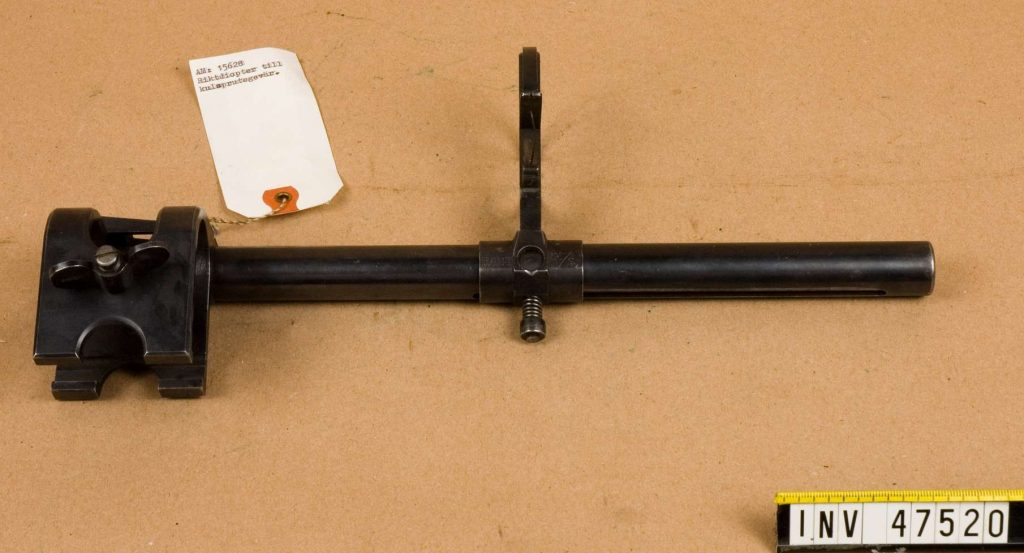
Anti-aircraft (AA) sights were designed for the Swedish BARs. Presumably these were to be used in conjunction with a standing tripod. I have found pictures of both the AA sight and tripods on the Armémuseum web site I have not be able to uncover any evidence that they were ever issued for use.
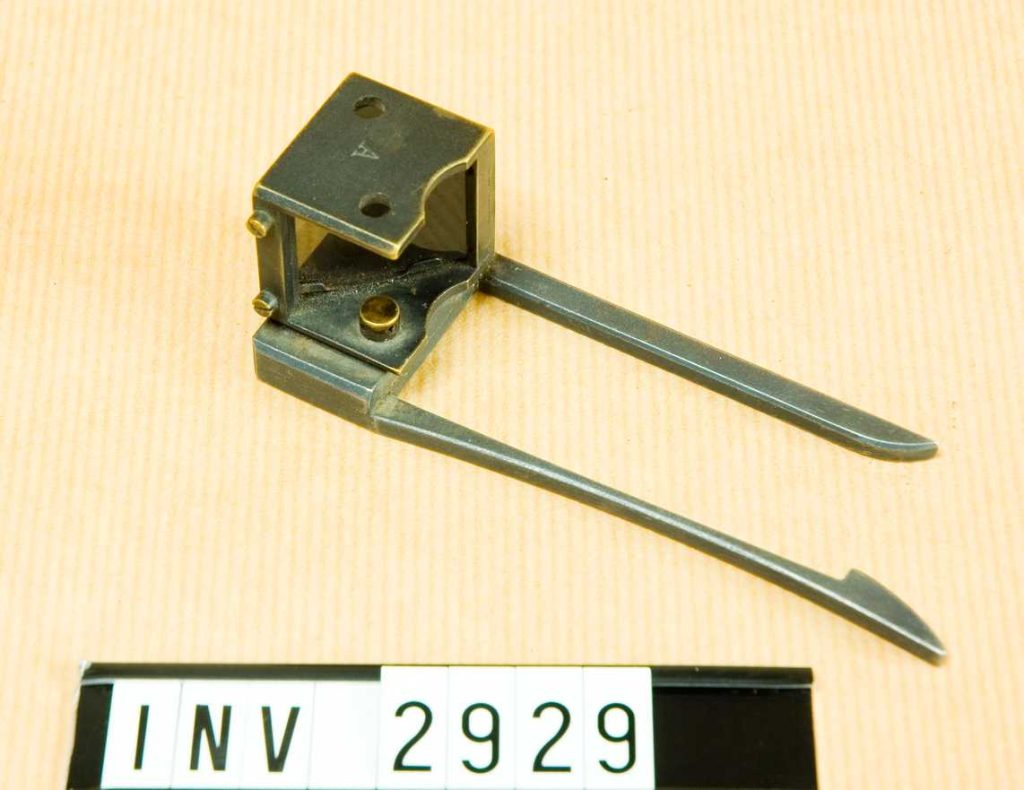
The Armémuseum site also has pictures of the training sights for BARs. The sight clipped onto the rear sight and is a semi-silvered mirror that allows the instructor to look down the sights at the same time as the recruit to determine that the proper sight alignment is being used. (Author’s note: I am looking for the tripod, AA sights and training sights if any reader knows of a source for them please contact me through the website.)
Monopod
The butt stock of the Kg m/37 has a socket for a monopod. Pictures exist of the monopod on the Armémuseum site but I have no found any records showing general issue.
(Author’s note: I am looking for the monopod, if any reader knows of a source for them please contact me through the website.)
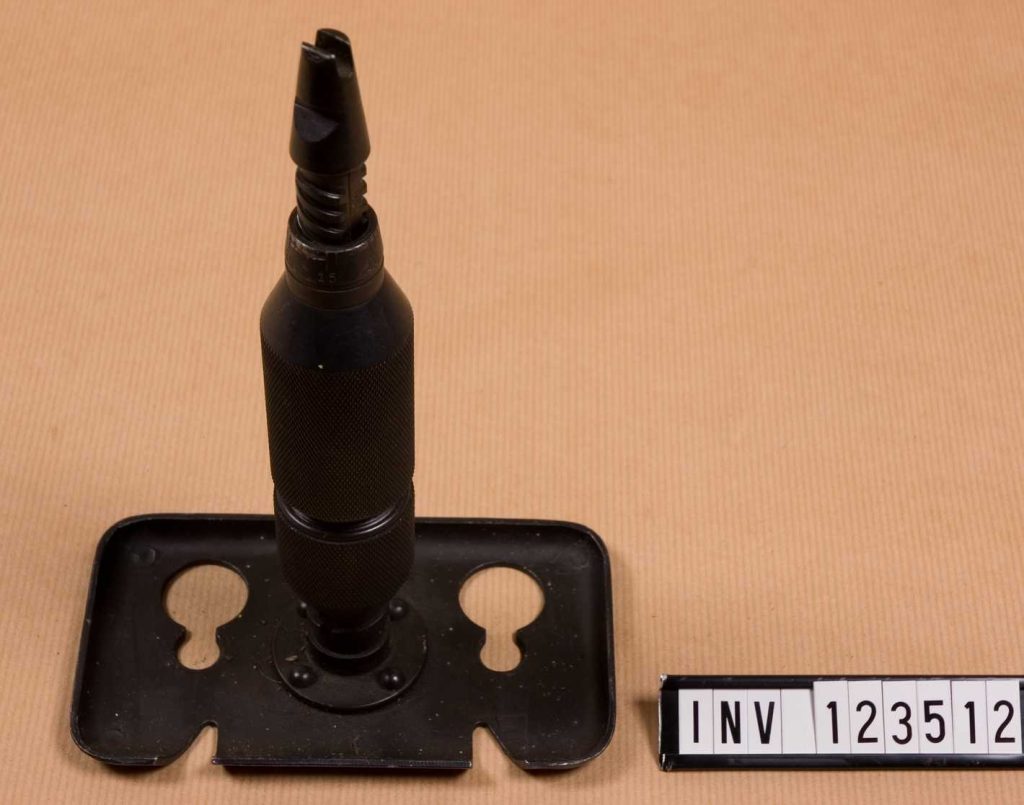
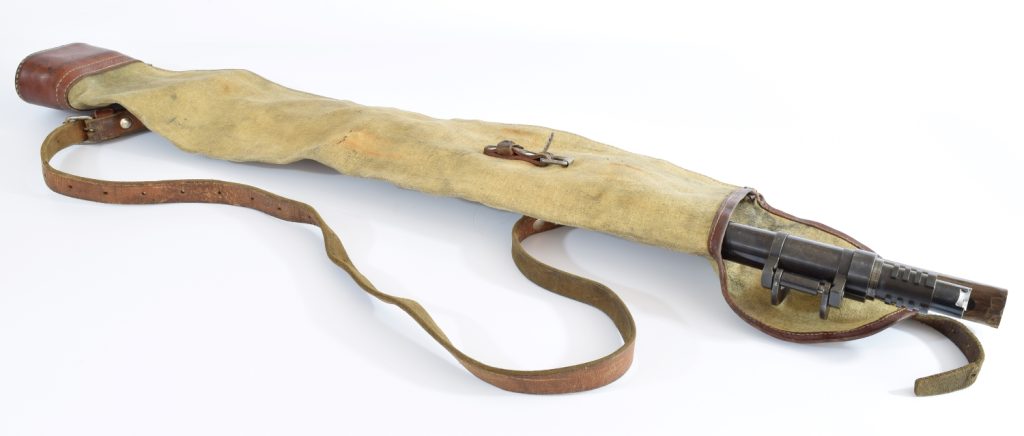
Spare Barrel Bag
The quick change barrel of the Kg m/37 allows more sustained fire from the machine gun. This assumes that there is a spare barrel to change to when the mounted one gets hot. Naturally a bag to carry the spare barrel was made.
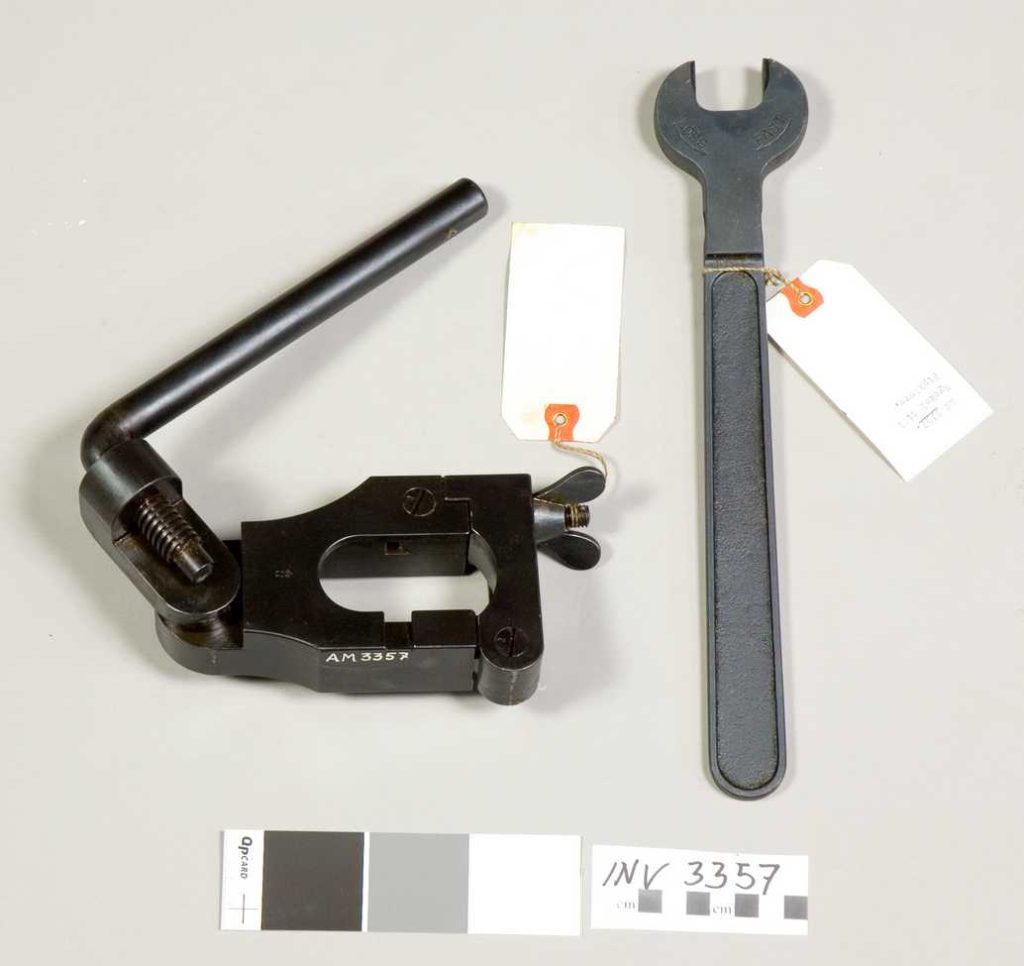
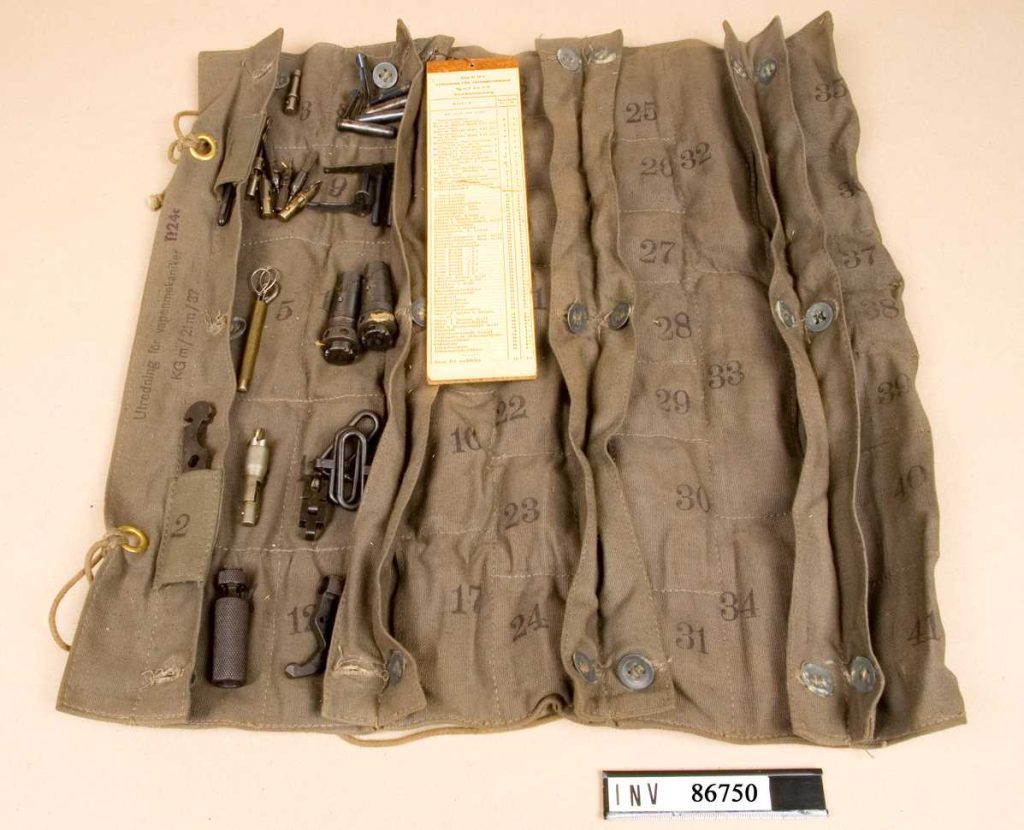
Armor’s Tools, Training Posters, and Packing Crates
There are specialized tools for armors to work on just about any gun that has been made and the Swedish BARs are no exception. Receiver wrench, armor’s spare parts roll and barrel bench clamp exist for the Swedish BARs.
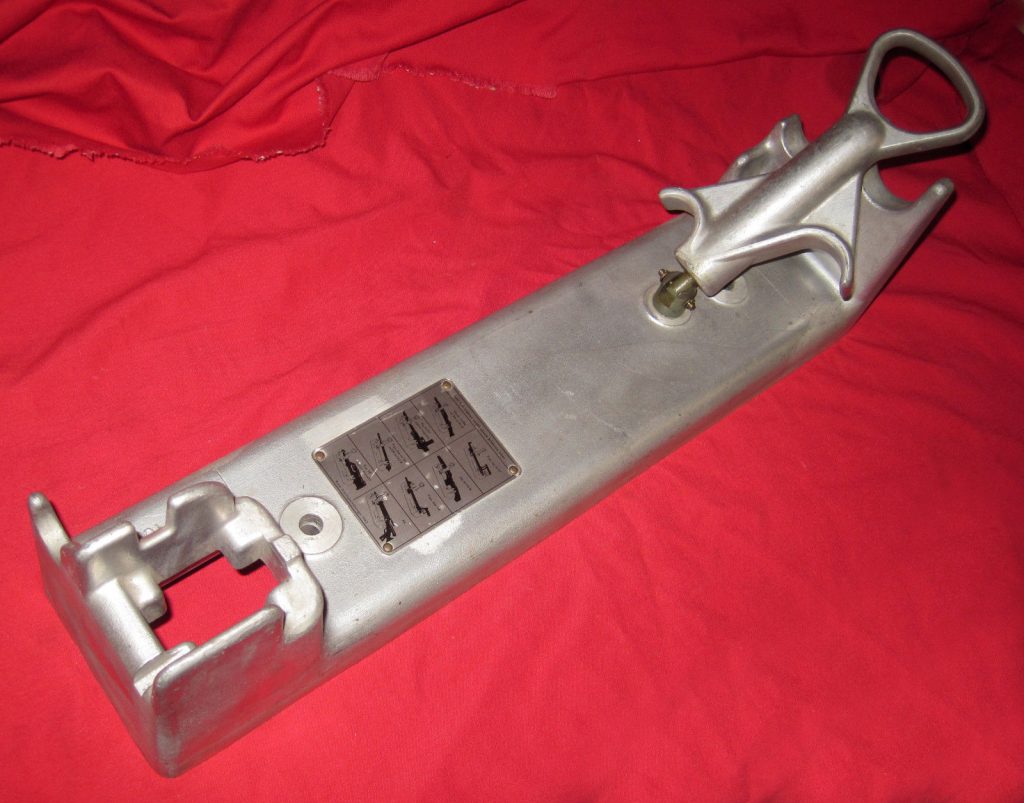
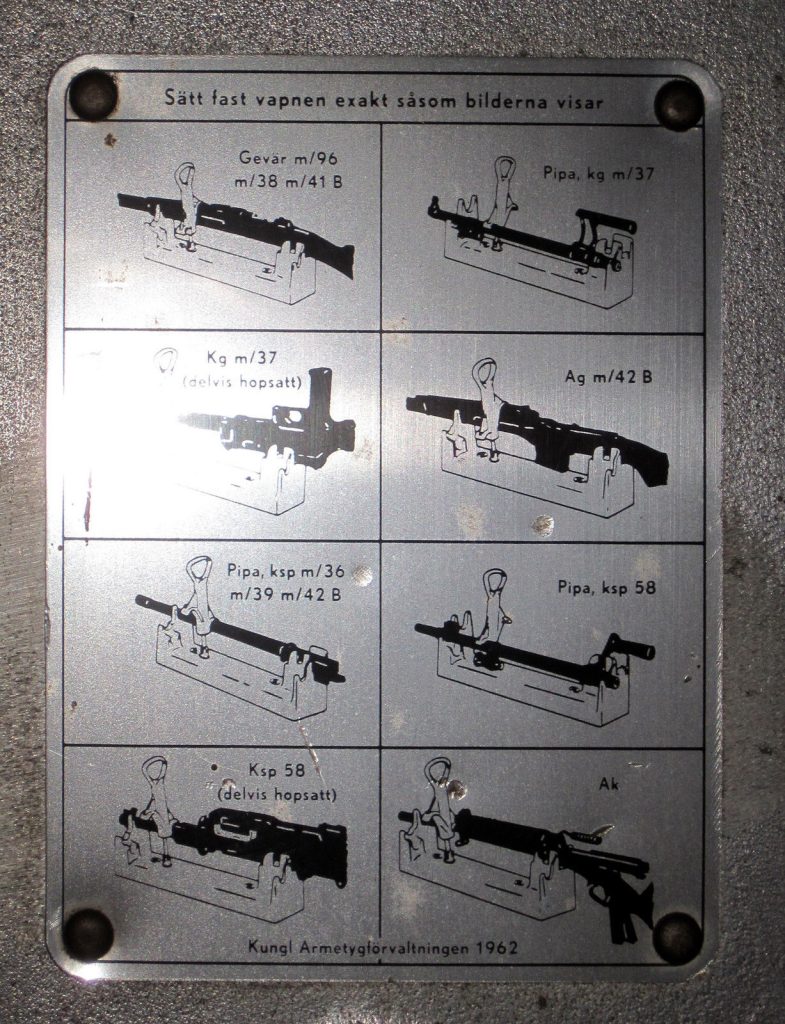
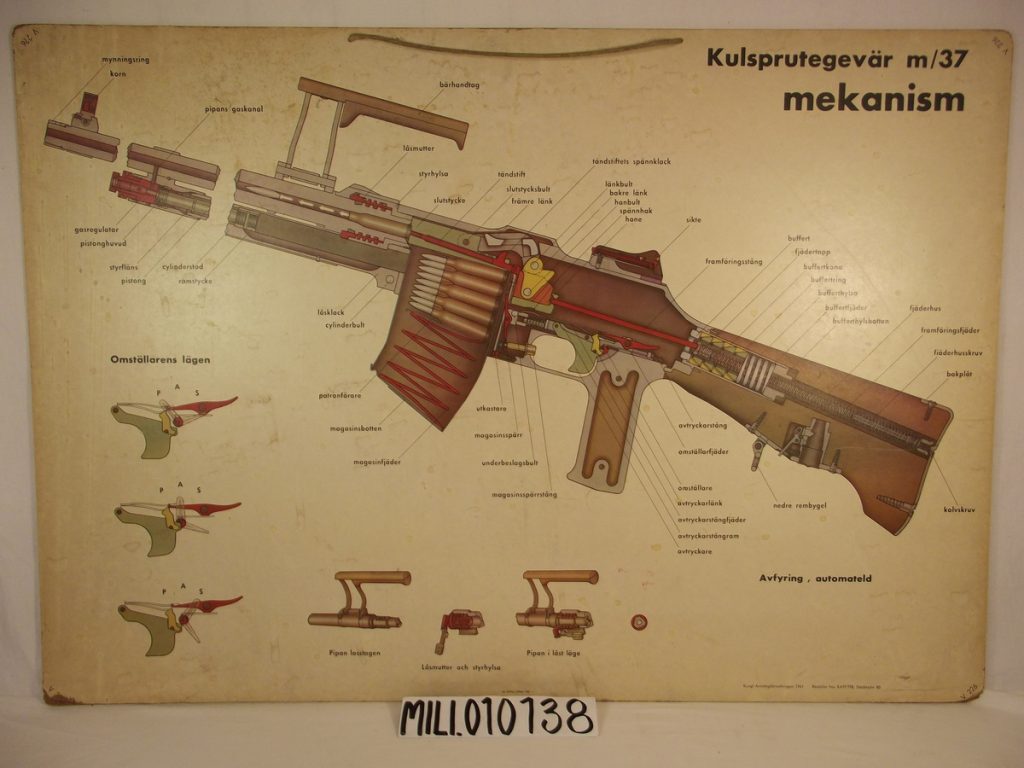
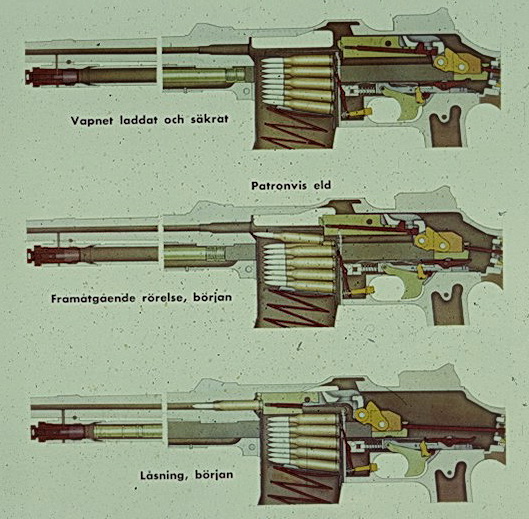
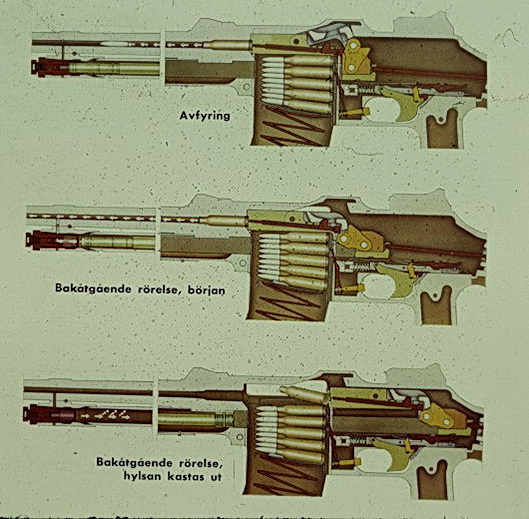
Slides and posters teaching the recruits about the BARs were printed in color describing the method of operation for the BAR.
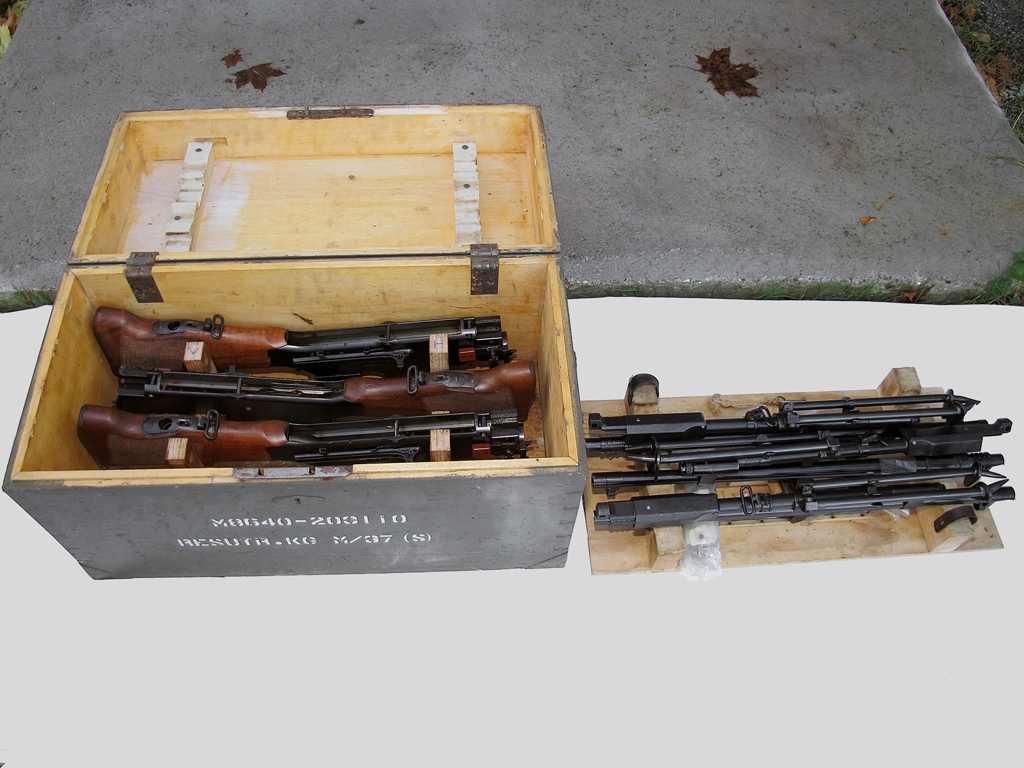
Shipping the guns from the factory to the armories was done is specifically designed crates. Each crate held four Kg m/37 in a broken down state.
(Author’s note: I am looking for the posters, armors tools and spare parts rolls as well as shipping crates for the Kg m/37, if any reader knows of a source for them please contact me through the website.)
Swedish BAR Transportation
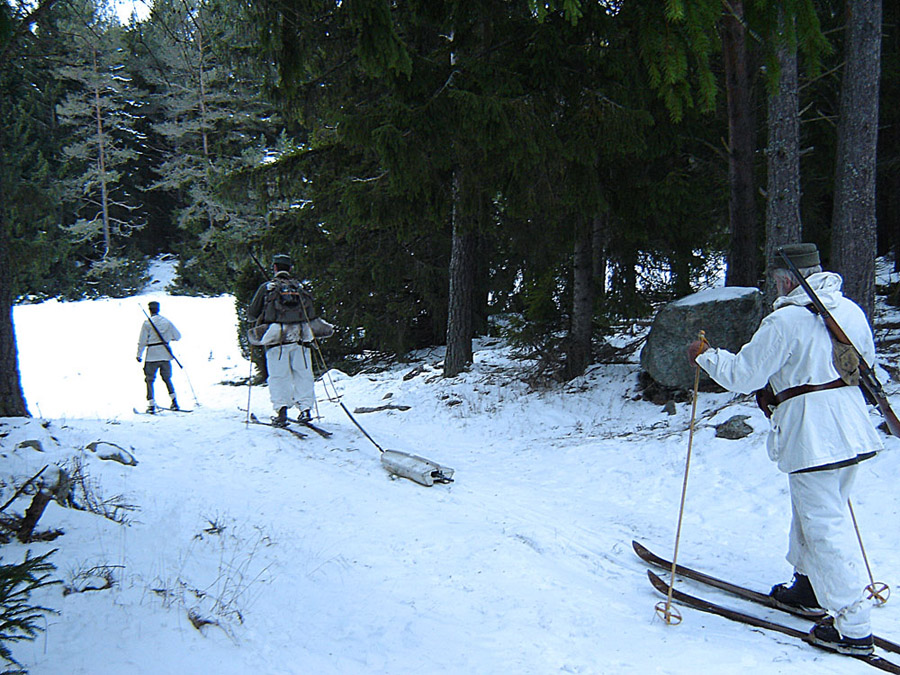
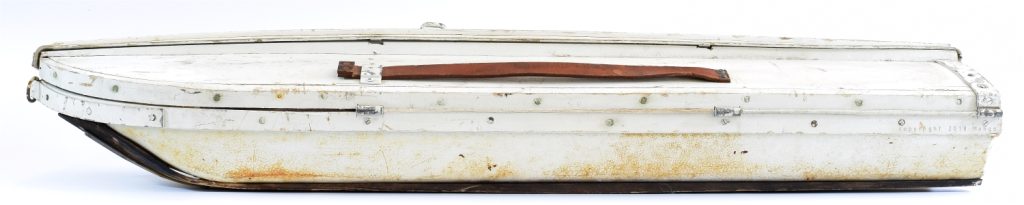
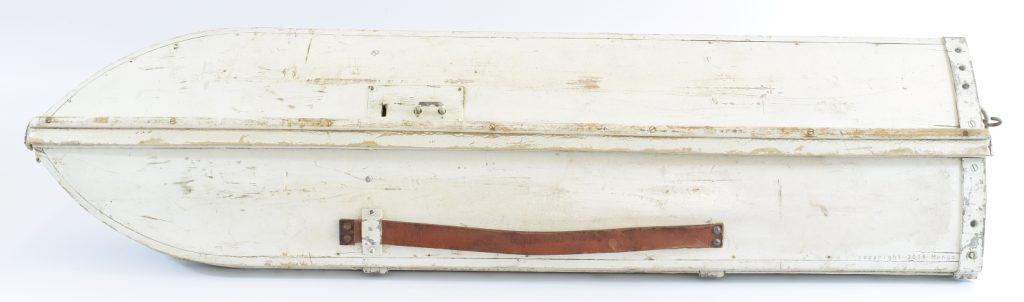
The BAR, even in its Swedish version, is not the lightest gun to carry around. The Swedes addressed this with methods to help the soldier. The Swedish troops in winter would travel via skis. They designed a snow sled that carried the BARs and acted as a mount. The author managed to track down a sled mount in Sweden and imported it to the Texas. The odds of it ever seeing any quantity of snow here is remote.
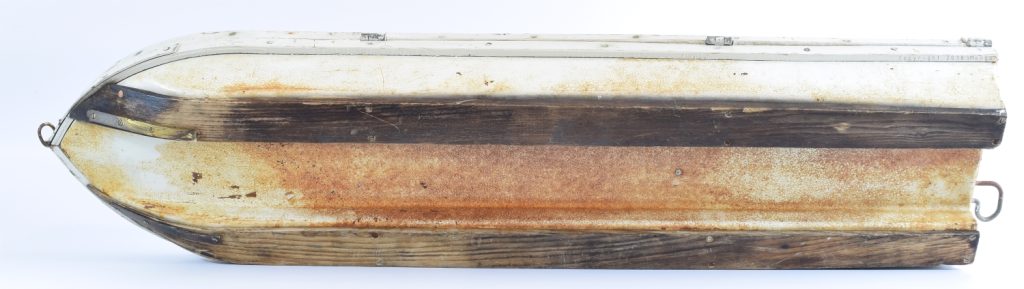
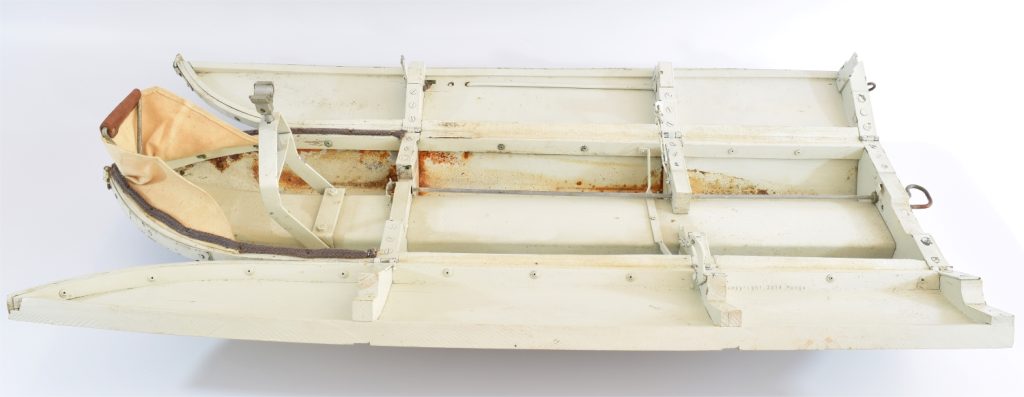
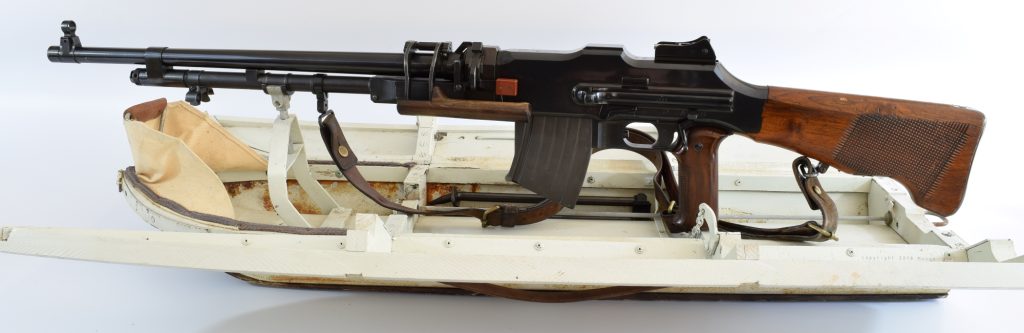
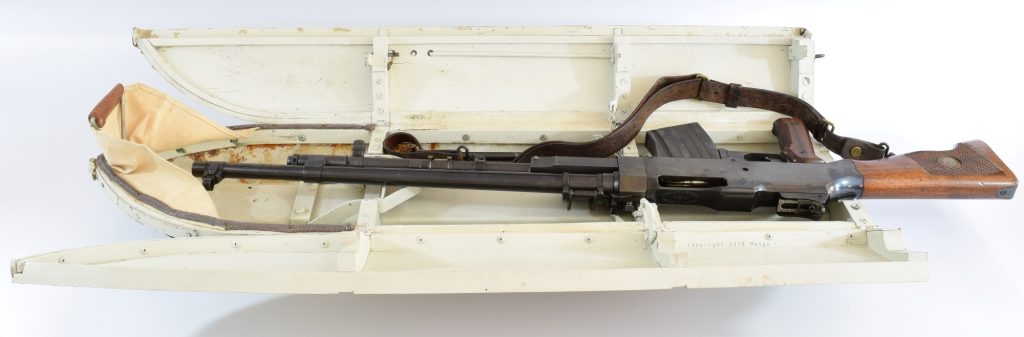
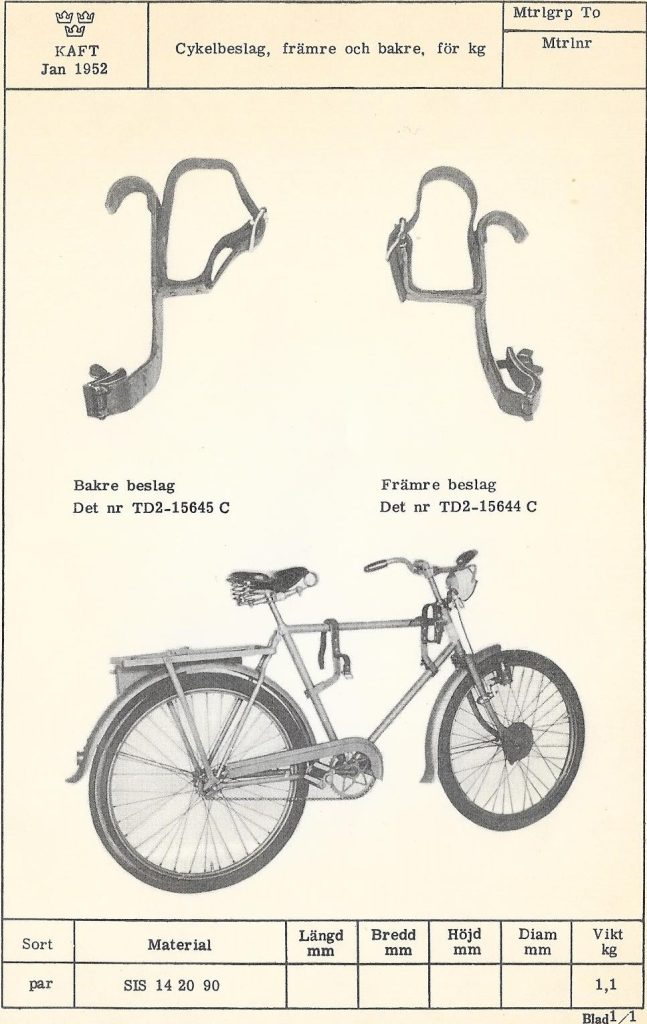
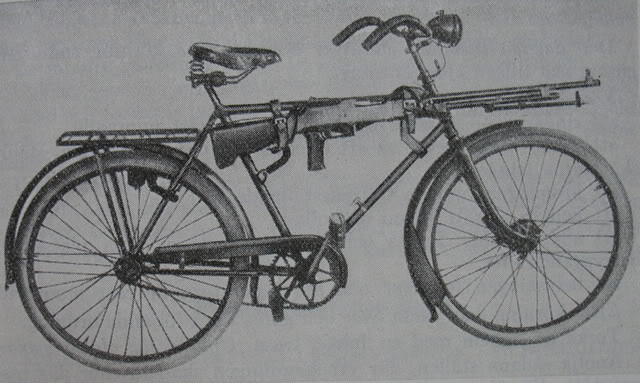
Travel on road and trails when snow was not in season were typically accomplished via bicycle. They made mounts to fit the Swedish military bicycles to carry the BAR. This is where the author drew the line at collecting accessories for his Swedish BAR. I found a bike to buy but I passed since I did not think I would ever find the mounts for the BAR and storing it would have taken too much space.
Mongo
John1911.com
”Shooting Guns & Having Fun”
works in the firearms industry on a contract basis. Previous employers
in the industry include Remington, AAC, CZ BRNO, Master Piece Arms,
and many others. The US military currently has a few of Mongo’s designs
in use today.
Current gun interests include collecting unique, controllable, light
machine guns and their accessories.
weaponblueprints.com
- Swedish Kg m/37 BAR Accessories - May 29, 2026
- POTD – Japanese Type 99 LMG - April 5, 2026
- The Safe is Full Again! - January 7, 2025